ととのうぐらすの口コミに書いてある効果は本当なの??
実際に使ってみて検証レビューしてみました!
目次
薬用CICA(シカ)ナイトマスク『ととのうぐらす』の口コミ
口コミ①ととのうぐらすは本当にシワが改善される
ととのうぐらすを使って、小じわや目元のシワ、ほうれい線のシワを改善したという口コミが多くありました。
肌にハリが出て、全体的に小じわが減った気がします。
目元のシワが改善されて若くなったと言われます!
たるんでいた頬っぺたにハリが出てほうれい線が目立たなくなりました。

口コミ②ととのうぐらすはベタつきがすごい
ととのうぐらすを塗るとベタつきがすごくいのが気になるという口コミもあります。
すごくベタつくから枕につかないか心配
ベタベタするのが気になってなかなか寝つけない
ベタつきがすごくてティッシュが顔にくっつきました
口コミ③ととのうぐらすは刺激が強い
ととのうぐらすは肌への刺激が強くて心配という口コミもちらほらと見られました。
肌がピリピリしたので使うのをやめています。
塗ったところがうっすらと赤くなって心配になりました。
ととのうぐらすを使うと、肌が敏感になるような気がします。
薬用CICA(シカ)ナイトマスク『ととのうぐらす』を実際に使ってみた!
ととのうぐらすは、口コミでも「シワが改善される」と評判は良いですが、「刺激が強い」という口コミは気になります。
そこで、実際にととのうぐらすを使って、
使用感
効果
成分
の3つを検証してみました!
検証①ととのうぐらすの使用感
ととのうぐらすの使用感についての検証です。
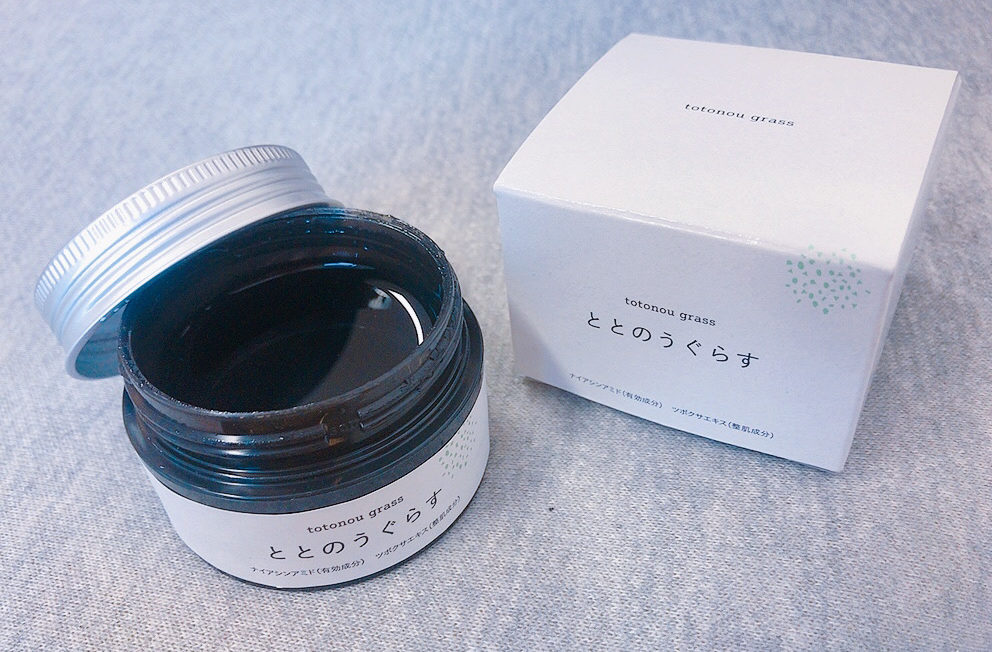
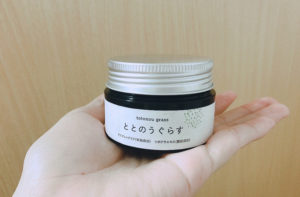
コンパクトなジャータイプで持ち運びにも便利
旅行や出張、ちょっしたお出かけの時にも持ち運びやすいコンパクトなジャータイプの容器になっています。
ととのうぐらすはナイトマスクという印象が強く、夜の寝る前に使うというイメージがありますが、実は朝も使うことができるんです!
なので、外泊するときだけでなく、普段のお出かけの際に使ってもOK!
ととのうぐらすはジャータイプで中ブタもついているから外にこぼれる心配もありません。
スライムのようなテクスチャーでべたつく
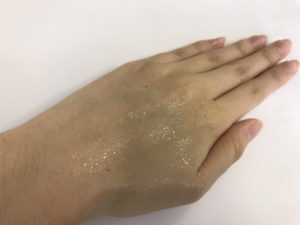
肌にのせた感じ、スライムのようなテクスチャーでした。
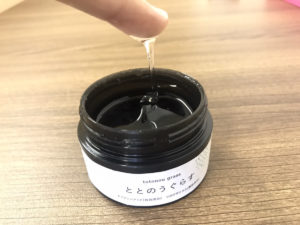
確かに、口コミにも書いてあったように、塗った直後はすごくべたつきましたが、数分もすれば肌に浸透してサラサラになります。
それに、べたつきは保湿力の高い証拠でもあるので、良いことなんです。
刺激はそこまで強くない
特に気になっていたととのうぐらすの刺激ですが、使ってみても口コミに書いてあったように塗ったところが赤くなったりピリピリするようなことはありませんでした!
ただ、人それぞれ肌が違うように、使用感にも個人差があります。
実際に自分で使う際は、肌に合うか確かめてから使用してくださいね!
検証②ととのうぐらすの効果
ととのうぐらすの効果についての検証です。
肌にハリを与えてシワを改善
ととのうぐらすを使うと肌が引き締められて肌にハリが出る感覚があります。
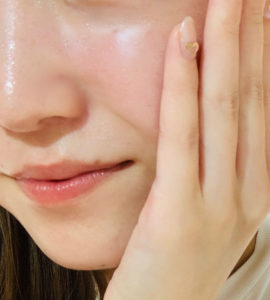
さらに、ととのうぐらすを使って10分間放置すると、本当にシワの本数が減ったんです!
特に変化があったのは目元のシワで、約半数のシワが減りました。
ととのうぐらすで肌が引き締められたことで、シワも改善されたのだと思います。
美白効果で肌のトーンアップ
1週間ほどととのうぐらすを使い続けていると、肌の明るさがトーンアップした気がします!
ファンデーションなどを塗って肌をトーンアップさせるのはよくありますが、ととのうぐらすのようにすっぴん肌をトーンアップさせるのはあまり見かけません。
検証③ととのうぐらすの成分
ととのうぐらすの成分についての検証です。
シワ改善・美白効果のあるナイアシンアミド
ととのうぐらすには国内外の化粧品やサプリメントで広く使われている有効成分のナイアシンアミドが含まれています。
この成分にはシワを改善する効果と美白効果の2つがあるそうです!
ナイアシンアミドがコラーゲンの生成を促し、肌にハリを与えることでシワが改善されています。
また、ナイアシンアミドにはシミやそばかすの原因になるメラニンの生成を抑制する働きがあるので、美白効果も期待できるんです!
世界中で注目されているCICA(シカ)美容成分
韓国コスメで大人気のCICA美容成分がととのうぐらすにも使われています!
ととのうぐらすに配合されているのはツボクサエキスという成分で、WHO(世界保健機関)が「21世紀の驚異的薬草」として、保護すべき重要な薬用植物と認めているんです。
その効果としては、肌の「修復・再生・保護」があり、肌の鎮静やニキビ・ニキビ跡のケアに有効です。
薬用CICA(シカ)ナイトマスク『ととのうぐらす』の安全性は?
ととのうぐらすの刺激が強いという口コミが気になったので、検証するついでに安全性について調べてみることにしました。
ととのうぐらすの7つのフリー
ととのうぐらすの安全面が考慮された7つのフリーがあります。
着色料フリー
合成香料フリー
アルコールフリー
パラベンフリー
鉱物油フリー
石油系界面活性剤フリー
紫外線吸収剤フリー
成分の構成にもこだわることで、ととのうぐらすの安全性を大切にしている事が分かります。
ととのうぐらすの製造場所はGMP取得工場
ととのうぐらすが製造されている工場は、「適正な製造管理と品質管理」が認められています。
なので、劣悪な環境で製造・保管されているような事はありません。
ととのうぐらすの副作用
ととのうぐらすは医薬部外品ではありますが、医薬品ではないので、劇薬等の副作用のある成分は含まれていません。
さらに、CICA美容成分などは肌に優しい処方なので、肌がピリピリしたり赤くなる原因が何なのかは分かりませんでした。
薬用CICA(シカ)ナイトマスク『ととのうぐらす』の総合評価
検証レビューを終えての独断と偏見によるととのうぐらすの総合評価です。
使用感 ★★★★☆
容器はコンパクトで持ち運びにも便利です。
塗ったときのべたつきはありますが、時間が経てばすぐにサラサラになるので、特に気になりませんでした。
刺激もそこまで強くありません。
効果 ★★★★★
肌にハリを与えて、シワを改善してくれます。
美白効果で肌のトーンアップを促すこともできました!
成分 ★★★★★
シワ改善効果や美白効果を持つナイアシンアミドや、CICA(シカ)美容成分として有名なツボクサエキスが含まれています。
まとめ
ととのうぐらすを実際に使ってみて検証した結果、「シワが改善される」と「ベタつきがすごい」という口コミは本当でした。
しかし、「刺激が強い」という口コミは今回の検証では実感できていません。
検証と合わせてととのうぐらすの安全性についても調べてはいますが、不安な方は使う前にご自身の手などで確認してから使用することをおすすめします !